

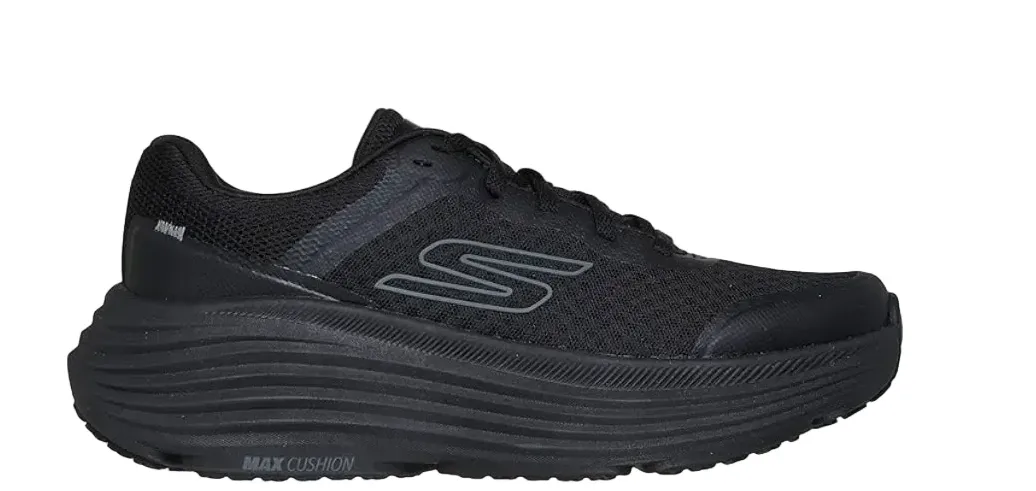
Picking the right pair of shoes sounds simple until you actually stand in an aisle staring at fifty different options and none of them feel quite right. Your feet carry you through everything- work shifts, grocery runs, long walks with the dog, and they deserve better than a rushed decision. A good pair of Skechers shoes can make a real difference here, especially if your days involve a mix of standing, walking, and just being on your feet more than you’d like to admit. This guide walks through what actually matters when picking footwear, without drowning you in technical jargon or fancy tell you don’t need.
Why Your Daily Shoes Actually Matter
Most people don’t think twice about their shoes until something starts hurting. A sore heel, a tight arch, maybe some weird ache creeping up the back of your leg after a long shift. That’s usually your shoes telling you something. Cheap, unsupportive footwear might save a few dollars upfront but costs way more in comfort down the road. Your feet have this many bones and joints packed into a small space, so treating them well isn’t optional, it’s just common sense really.
Walking Shoes Built for Long Days
If your day involves a lot of walking, whether that’s a job that keeps you moving or just a habit of taking evening strolls, the shoe you pick needs proper cushioning. Look for something with a flexible sole that bends where your foot naturally bends. Stiff shoes force your foot to work harder than it should, and that adds up over miles. A breathable upper helps too, nobody wants sweaty feet by lunchtime, that’s just gross and uncomfortable for everyone involved.
Skechers Walking Shoes for Everyday Support
When people ask what to look for in supportive daily wear, Skechers walking shoes come up a lot, and honestly it makes sense why. They tend to focus heavily on memory foam insoles and lightweight builds, which means your feet aren’t fighting the shoe all day long. Some folks are surprised how much a lighter shoe changes their whole walking experience, less drag, less fatigue by evening. It’s one of those small changes that ends up mattering way more than expected once you actually try it out for yourself.
Work Shoes Need Their Own Rules
Work footwear is a different beast entirely. If you’re standing on concrete floors for eight hours, or moving boxes, or dealing with wet surfaces in a kitchen, comfort alone isn’t enough. You need slip resistance, sturdy soles, and enough support to keep your feet from screaming by hour six. A lot of workers make the mistake of wearing regular sneakers to jobs that really call for something tougher. Your feet will let you know pretty quickly if that choice was wrong, usually by the end of week one.
Outdoor Footwear for Uneven Ground
Outdoor use throws its own challenges into the mix. Trails, gravel, wet grass, none of that plays nice with a flat, thin-soled shoe. You want something with real grip on the bottom, maybe a slightly reinforced toe if you’re the type who kicks rocks by accident, and enough ankle support depending on the terrain. Waterproofing helps too if you’re anywhere near mud or puddles, because wet socks ruin outdoor plans faster than almost anything else out there.
Comfort Features Worth Paying Attention To
There’s a handful of little details that separate an okay shoe from a genuinely comfortable one. Arch support matters a ton, especially if you’re on your feet often. Cushioned insoles help absorb shock with every step, which your knees will thank you for later. Breathable materials keep things from getting swampy inside the shoe. And honestly, a roomy toe box makes a bigger difference than people expect, cramped toes lead to blisters and general misery pretty fast.
Finding the Right Fit for You
Fit is where a lot of shoe shopping goes sideways. People grab their usual size without trying things on, then wonder why the shoe pinches or slips. Feet actually change size a bit over the years, sometimes from weight shifts, sometimes just from age, so it helps to measure again every so often. Walking around the store, wiggling your toes, checking for pinch points, none of that is a waste of time. It’s the difference between a shoe you love and one that sits in your closet unworn.
Conclusion
Choosing the right shoes for walking, work, or outdoor days doesn’t need to be complicated once you know what to actually look for. Support, breathability, proper fit, and the right grip for your terrain all play a role in how your feet feel by the end of the day. Taking a little extra time to choose well pays off in comfort and fewer aches down the road. For anyone ready to explore options that check these boxes, fitnshoes.com is a good place to start browsing.